FROM THE DESERTS OF AFGHANISTAN...
TO FACTORY FLOORS.
I WORK IN ENVIRONMENTS WHERE FAILURE
ISN'T
FROM THE DESERTS OF AFGHANISTAN...
THEORETICAL.
SYSTEM STABILITY
I build systems that don’t fall apart under pressure.

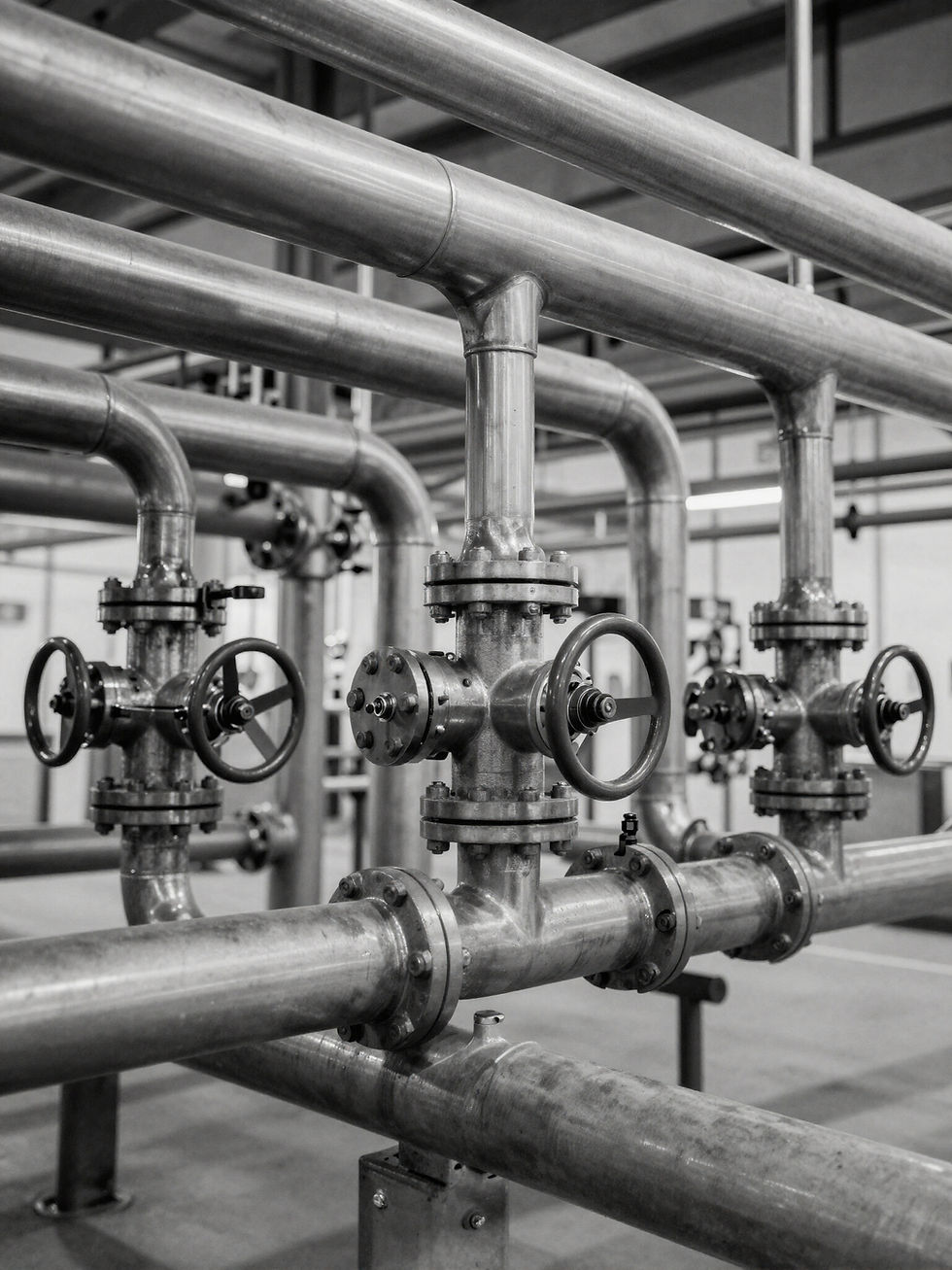
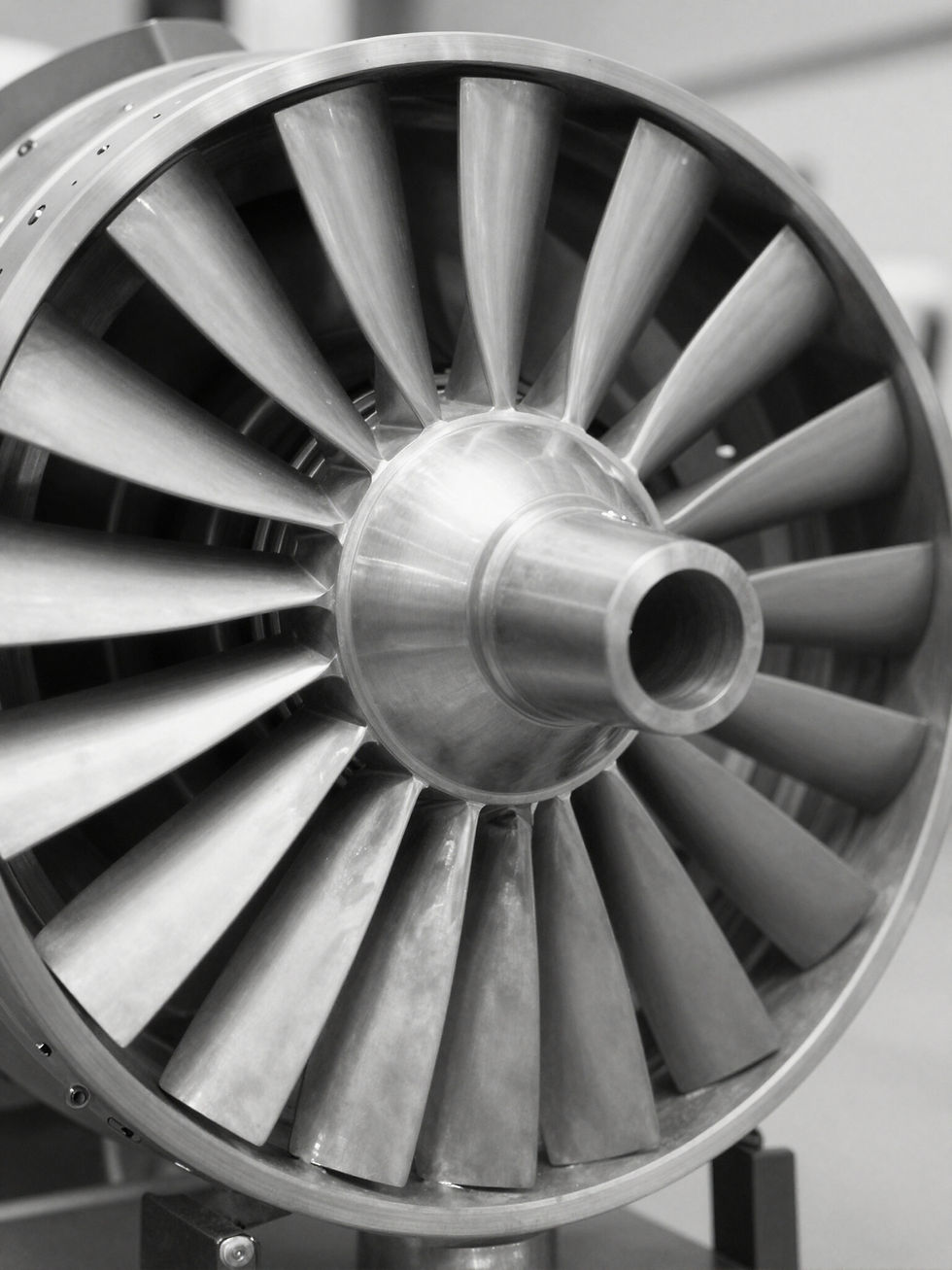

I stabilize complex operational environments. I map failure points, remove clutter, and ensure predictable operation under stress. No surprises.
Methodology
01
Start with what actually happens
I don’t start with documentation. I start with what the system is doing, where it breaks, and who feels it when it does.
02
Build a mental model
I reduce the system down to something I can reason about. If I can’t explain it simply, I don’t understand it yet.
03
Find the failure points
Every system has them. I look for where things go wrong under pressure, not where they look clean on paper.
04
Test it until it breaks
Then fix it. Then test it again.
What I work on
Where things get messy
Plant processes
Steel, flow, heat, pressure.
This is where theory meets reality.
I didn’t come up through a traditional path.
I learned by working inside systems that either held under pressure, or didn’t.
In places where failure actually matters.
Software workflows
Logic that behaves—until it doesn’t.
I make it predictable.
Built the same way I approach systems.
Deliberate. Controlled. No excess.
Operational environments
People, systems, and decisions intersect.
This is where most problems actually live.
It's where I work.
Addressed. Not "Managed"
Defects
Scrap
Yield
What happens when it works
Things stop breaking in surprising ways.
Problems show up earlier, where they’re cheaper to fix.
People spend less time guessing and more time doing.
The system becomes predictable.
What this looks like in practice
Fewer surprises.
Clearer handoffs.
Less rework.
Systems that behave the way people expect them to.

Recovered Yield by tightening control
Found the levers that were drifting and locked them down.
Made the process consistent, across the shifts.
+0.25 yield ($100K annually)

Restored visibility after ERP transition
The data was there, but not to those who needed it.
Built a system that tied into the ERP. Closed that gap.
Fewer QA issues. Cleaner decisions.

Brought Tensile variation under control
Not random.
Traced it back to melt chemistry and grain structure.
Once understood → controlled.
If you’re tired of dealing with a system that works just well enough to keep causing you pain,
I’m interested.
Reach out.